Information Infrastructure
 An Independent and Flexible Data Fabric
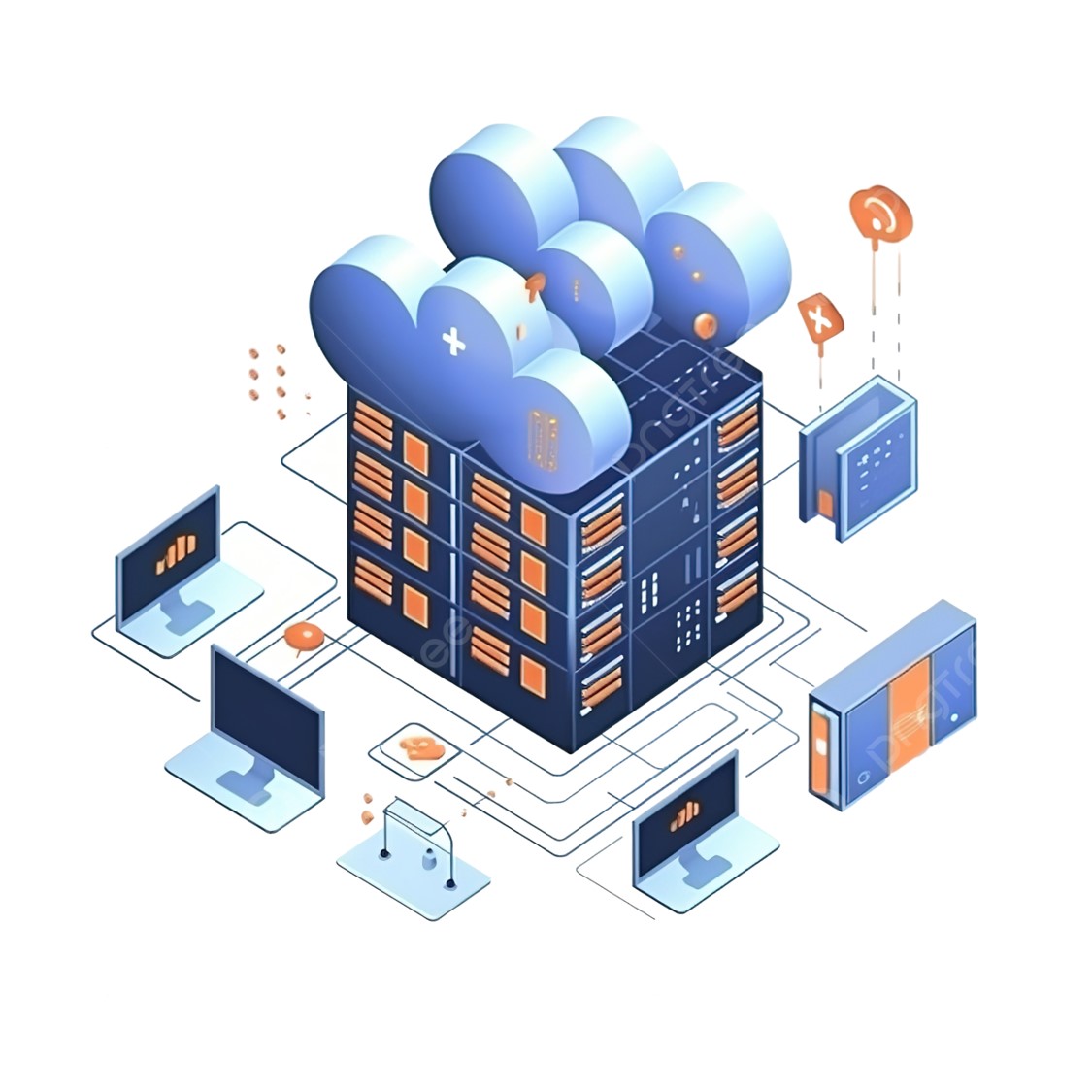
i3 operates as an independent data fabric—completely separate from the applications and devices that produce or consume data. Its role is to manage data governance and oversee data flows across the infrastructure, from data producers to information consumers. Because i3 acts as an independent integration platform, there are no restrictions on the sources or destinations of data. Customers can freely connect systems from any supplier, including home-grown applications and customized devices.
Each data stream securely links authorized data sources with approved destinations, providing full record-keeping to track who accessed what information and when. Data generated by one application—or many IoT devices—can be efficiently reused across multiple applications, maximizing the value derived from an organization’s data assets. Applications also benefit from easy access to a library of authorized data sources. Throughout this process, data owners remain informed and retain full control over how their data is shared within their organization or across multi-party ecosystems.
i3 is designed for easy integration into existing system architectures and simplifies the process of adding new data sources and applications as the infrastructure evolves. Because information flows tend to be more dynamic than basic network connectivity, flexibility and adaptability are key design priorities for i3.
With user-friendly software libraries, connecting existing data sources to the i3 data fabric requires only a few lines of code. Similarly, applications can be linked just as easily to gain access to a vast wealth of information. Once integrated, activating or terminating data streams takes just a few clicks—eliminating the days when every integration meant a major IT effort to deploy and maintain.
Positioned above the data connectivity layer and below the application layer, i3 plays a vital role in the larger infrastructure. It acts as a gateway feeding information to a wide range of systems—including AI platforms, Data Lakes, Databases, Digital Twins, the Metaverse, and IoT networks. With i3 in place, these systems gain easier access to the data they need to thrive, making i3 a key enabler in the transition toward a more integrated and connected information economy.
Artificial Intelligence
 Artificial Intelligence (AI) systems rely on models and rules to process information from various sources. These systems analyze incoming data to detect events of interest. When such an event occurs, the AI’s rule engines determine how to respond—whether by alerting operations teams, self-generating situational reports, or actively adjusting operational processes to changing conditions.
The effectiveness of any AI system depends heavily on the quality and quantity of the data it receives. More and better data leads to deeper insights and greater value from the AI engine. When an AI system is connected to the i3 information network, adding or updating data sources becomes easy. Problematic sources can be quickly removed, and new, better sources seamlessly integrated. This flexibility enables AI systems to evolve smoothly as rules change, data grows or shifts, and new AI capabilities are added.
AI engineers often report spending up to 80% of their time gathering and organizing the data necessary for their systems to work properly—leaving only 20% of their time for building valuable AI solutions. By managing the data that feeds AI engines, i3 helps both the systems and their engineers operate their AI engines at peak efficiency.
Data Lake/Database
 Rethinking Big Data with Real-Time Data Flows
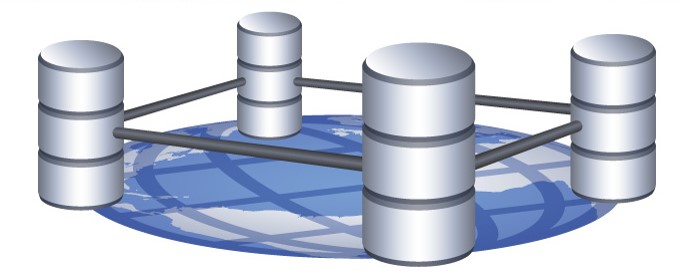
Big Data typically involves running analytics on databases or data lakes—collections of fixed data sets stored across multiple databases. Value emerges when algorithms can be efficiently applied across large data sets. However, traditional data lakes usually manage static data sets that do not evolve in real time. When data changes, it must be incorporated by replacing or updating existing files, often leading to confusion caused by multiple similar but slightly different data versions. As a result, while data lakes allow complicated processes to be efficiently run across large data sets, processes required to keep these data sets up to date can be painful and slow.
Unlike fixed data structures, i3 technology manages information as a continuously evolving streams of data. This approach represents a major shift in data analytics – a move away from off-line static analysis and toward real-time analysis and response. With access to real-time data, analytics processes become much more powerful and shift from the examination of historical data trends to actively identifying and responding to operational issues as they happen.
Serving as an information network within the larger data infrastructure, i3 coordinates the many data tributaries feeding large data lakes. Importantly, it does so while respecting data owners’ rights—giving them a voice in how their data is shared and used
Applications
 Eliminating Data Silo Restrictions
Applications consume information and present it to users in ways that enable organizations to gain operational advantages. Data-hungry applications usually mintain their own internal data structures solely for their internal use. When these applications are vertically integrated—handling everything from data ingestion to presentation—they often create closed, siloed data environments. This limits an organization’s ability to use technology assets cohesively and impedes organizational effectiveness.
The explosive growth of the internet was initially driven by browser-based technologies that allowed remote clients to access applications anywhere. Over time, the internet has evolved and become extremely poweful but most applications today are still built with the assumption they have direct, exclusive access to their needed data. They rarely view the underlying data infrastructure as a strategic tool to organize and manage information.
Just as organizations strive to maximize the value of their physical assets, the same principles can—and should—be applied to their virtual information assets. i3 helps break down data silos by managing an organization’s information as a valuable asset—one that can be leveraged for financial gain.
Internet of Things (IoT)
 Unlocking the Potential of IoT
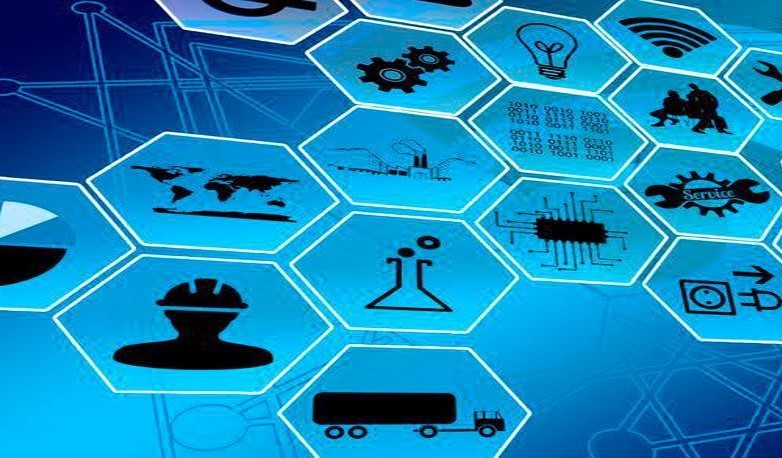
Significant advancements have been made in IoT technology. Sensors and actuators have become so affordable that nearly anything in the physical world can be monitored or controlled by attaching IoT components to these devices. Many companies have deployed IoT systems to improve defined operational processes. However, many potential IoT use cases remain unfulfilled because the cost of building and maintaining dedicated sensor networks is too high (the achilles heal is not the cost of the parts but the cost of operations). This reality has artificially slowed the widespread adoption of large-scale IoT networks—despite early predictions that they would be a major economic breakthrough.
The key to unlocking large-scale IoT network benefits lies in deploying devices that generate data for multiple applications, rather than linking sensors exclusively to single-purpose networks. When development, deployment, and support costs are shared across many applications, the return on investment improves dramatically—because one sensor can serve the needs of multiple users. To achieve this, the industry must move away from single-use, application-specific IoT systems. Deployment teams should evaluate devices based on their ability to support a broad range of applications, not just one. i3 technology has been developed to make these next-generation, multi-purpose IoT deployments practical and manageable.
Digital Twins and the Metaverse
 Bridging Physical and Virtual Worlds with Digital Twins
Digital twins are digital models that represent physical objects in a virtual environment. The metaverse, a related concept, refers to objects and experiences within fully virtual worlds. As these ideas evolve, the line between them is blurring: virtual objects are being integrated into digital twins, and physical objects are finding their place in metaverse environments. This growing convergence creates a strong need to connect physical-world sensors to their virtual counterparts—whether in digital twins or metaverse spaces.
As an example, during the planning of a new building, a digital twin can create a detailed, multi-layered virtual model of the structure, which can be placed within a digital city environment. This model can simulate how people will interact with the building, showing layers such as lighting, power systems, plumbing, and even daily movement patterns. Running these simulations early can save significant capital by identifying design flaws before construction begins.
After building construction is completed, sensors embedded in the building’s systems provide real-time monitoring to maintain operational efficiency. As more buildings become “hyper-linked” in this way, this data can serve multiple purposes—reducing other operating costs, enhancing tenant experiences, improving public safety, and even lowering employee turnover. i3 Information Networks is designed to transform fixed, rigid data connectivity data pipes into dynamic information networks. By decoupling the information delivered to applications from the underlying physical sensor networks, i3 allows the structure and routing of data to be flexible—while the sensor network that produces the base data remains stable.